

Content disclaimer: This article provides educational information but does not replace professional medical advice, diagnosis, or treatment. Diabulimia is a serious condition that requires specialized care. If you are experiencing symptoms of diabetic ketoacidosis (DKA) or any medical emergency, call 911 or seek urgent medical attention immediately.
Living with type 1 diabetes can demand constant attention. You might be thinking about diabetes management, blood glucose levels, insulin doses, appointments, and the pressure to “get it right.” For some people with diabetes, that pressure can collide with body image, anxiety, burnout, or perfectionism. And in that collision, a dangerous pattern can form: restricting or withholding insulin to control weight. People with diabulimia face unique emotional and psychological challenges, as well as increased medical risks, in managing both their diabetes and disordered eating behaviors.
If you are here asking, what is diabulimia, you are not alone. Diabulimia is not recognized as a formal psychiatric diagnosis in the DSM-5. People often search the term after noticing changes in blood sugar, repeated health scares, or a growing sense of emotional distress around managing diabetes. This topic deserves clarity, compassion, and real support.
What is diabulimia?
Diabulimia is a non-clinical term commonly used to describe intentional insulin manipulation, including skipping insulin, underdosing, or delaying insulin in someone with diabetes mellitus type 1. The goal is often to lose weight or prevent weight gain, but the pattern can also be tied to shame, distress, or feeling out of control. The Cleveland Clinic describes diabulimia as reducing or skipping insulin to lose weight, and it highlights the serious medical risks that can follow.
Diabulimia can affect individuals of all ages, races, and genders, but it is most common in young people, particularly in women between the ages of 15 and 30. Young adults with type 1 diabetes are especially at risk. Women with type 1 diabetes are two and a half times more likely to develop an eating disorder than their non-diabetic peers. Up to 60% of individuals with type 1 diabetes may deliberately restrict insulin at some point in their lives.
You may also hear clinicians refer to this as ED-DMT1 or eating disorder diabetes mellitus type 1, meaning an eating disorder alongside type 1 diabetes, with insulin omission or restriction as a key behavior.
It is important to say this clearly: Diabulimia is a serious and potentially life-threatening condition. It is not a “phase” or a lack of motivation. It often includes real psychological components and can sit alongside other mental health symptoms like depression, anxiety, trauma history, or diabetes distress.
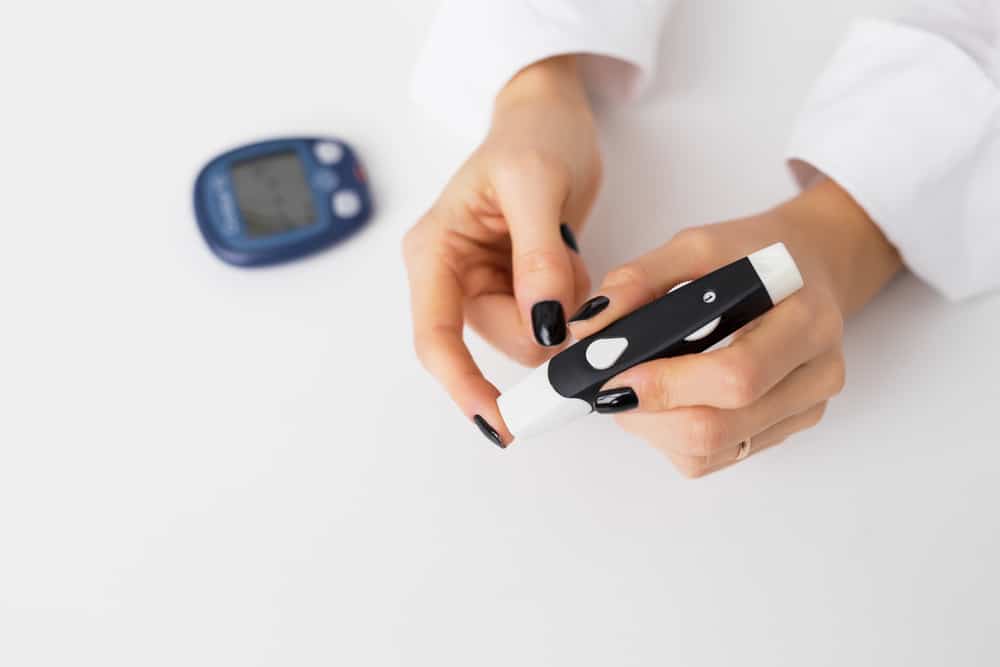
How insulin restriction causes weight changes
When someone reduces insulin on purpose, glucose cannot move into the body’s cells the way it should. The body starts breaking down fat and muscle for energy. In simple terms, this can look like the body is essentially starving, even when calories are present, because the cells cannot use glucose properly without enough insulin.
That is one reason insulin omission can appear to “work” for weight loss at first. It can lead to weight loss, sometimes rapid weight loss. Someone may even describe it as “using insulin to lose weight” by taking less than needed, or changing insulin doses to lose or adjusting doses to lose weight. Over time, though, this is not sustainable. It increases the risk of severe dehydration, ketones, and diabetic ketoacidosis. Many individuals with diabulimia are aware of the adverse health effects of not taking insulin properly, but struggle to change these behaviors.
And there is another painful layer. As people return to safer insulin use, temporary weight gain can occur due to improved hydration and glycogen storage. Gaining weight after taking insulin again can be emotionally distressing, especially for those already struggling with body image concerns. This is one reason early, specialized support matters.
Diabulimia can lead to a significantly reduced life expectancy compared to other patients with type 1 diabetes.
Signs of diabulimia
Because type 1 diabetes already involves fluctuating blood sugar levels, the warning signs can be missed. Still, some patterns can signal disordered eating behaviors and insulin omission.
Here are common signs and diabulimia symptoms that may show up in daily life:
- Repeatedly high blood glucose or persistent high blood sugar, especially without a clear medical explanation.
- Rising A1C over time, or large swings in blood glucose levels.
- Excessive thirst, frequent urination, fatigue, or feeling physically “run down.”
- Ketones that appear often, or multiple episodes of ketones and illness.
- Frequent hospitalizations or recurrent diabetic ketoacidosis.
- Skipping boluses, delaying insulin, not replacing pump sites, or other patterns of withholding insulin or insulin restriction.
- A strong need to control weight, fear of changes in body weight, or an intense focus on appearance.
- Increased secrecy, irritability, emotional shutdown, or ongoing emotional distress connected to diabetes tasks.
- A shift toward rigid disorder behaviors around tracking, numbers, or self-worth.
Many individuals with diabulimia are unaware of the condition’s prevalence and the challenges associated with overcoming it.
A person does not need every sign to deserve help. Sometimes it begins subtly. People with diabulimia may still appear “high functioning,” still go to work or school, and still look “fine” to others. That is one reason this serious condition is often missed. Social isolation and impaired daily functioning are common among individuals with diabulimia, and this can negatively impact academic and work performance.
Diabulimia and other eating disorders
Diabulimia rarely exists in a vacuum. It can overlap with eating disorders like anorexia nervosa, bulimia nervosa, or binge eating disorder. Some people with type 1 diabetes experience binge eating episodes, then use insulin restriction as a compensatory behavior.
The National Eating Disorders Association notes that insulin restriction can show up as a compensatory behavior in bulimia nervosa and in some presentations of OSFED, and it discusses the high-risk intersection of diabetes and eating disorders. The NIDDK also emphasizes that eating disorders can present differently in diabetes and that providers need to look beyond glucose control alone.
You might also see a mix of eating disorder behaviors and other disordered eating behaviors, including compulsive exercise, rigid tracking, body checking, or an escalating fear of normal body changes. Some people become overwhelmed by food labels and nutrition rules as part of anxiety and perfectionism, even when the original goal was simply to “do diabetes right.” When that happens, it can move from responsible self-care into disturbed eating behavior and clinically significant disordered eating.
Why are the risks so serious?
The most significant immediate danger is diabetic ketoacidosis, often called DKA. DKA is a medical emergency caused by severe insulin deficiency, leading to high glucose, ketone buildup, and metabolic acidosis. It can become life-threatening without prompt medical treatment.
With ongoing insulin deficiency, the body remains in a state of stress. Over time, insulin omission can increase the risk of long-term medical complications affecting the eyes, kidneys, nerves, and cardiovascular system. Cleveland Clinic highlights both short-term emergencies and long-term health consequences associated with insulin omission.
This is why early intervention matters. People may feel conflicted because insulin restriction can seem to help them “manage” body fears. But medically, it increases danger quickly. In severe cases, someone may end up with repeated DKA episodes, more time in the hospital, and greater physical and emotional fallout.
The lack of public awareness about diabulimia contributes to stigma and misunderstanding of the condition.
Reasons why diabulimia develops
There is no single cause. Often, reasons for diabulimia include a mix of biology, environment, and emotional pain:
- Pressure to avoid weight gain after starting insulin, or fear of gaining weight.
- Feeling judged in medical settings, or feeling reduced to numbers.
- Diabetes, burnout and hopelessness.
- Anxiety, depression, trauma, or other mental health problems that change coping patterns.
- A history of other eating disorders, or a family and social environment focused on weight.
The American Diabetes Association’s mental health workbook emphasizes that eating problems can include sub-clinical disordered eating behaviors and full-syndrome eating disorders, and it encourages clinicians to screen and respond with support.
Diabulimia treatment and what support can look like
Treatment for diabulimia is most effective when it addresses both the medical and emotional realities. It is important to seek treatment early to prevent serious medical complications. Because this condition involves insulin and risk of DKA, care often includes:
- Medical treatment focused on safety and stabilization, including restoring appropriate insulin use and monitoring for ketones and complications.
- Diabetes care and education that reduce shame, build skills, and create a plan that feels realistic in daily life.
- Mental health support that addresses body image, distress tolerance, anxiety, perfectionism, trauma, and identity concerns.
- Eating disorder-informed therapy for the specific disordered eating behaviors present, including support for binge eating disorder or anorexia-spectrum symptoms when relevant.
You might hear this described as multidisciplinary care, with treatment for diabulimia involving a team of professionals, including an endocrinologist, psychiatrist, psychologist, and dietitian. Psychotherapy is a key component of treatment, focusing on changing problematic thinking and behavior patterns. Family involvement and family therapy are also beneficial for long-term maintenance of good insulin use behaviors. Relapse is common in diabulimia treatment, with estimates suggesting over 50% of individuals may relapse within six years.
If you recognize yourself in this, you deserve support that does not punish you for coping. You deserve care that helps you rebuild a sense of safety and self-trust.
Finding a Path Forward
How to Support a Loved One and Take the First Step for Yourself
If you are worried about someone else, lead with compassion, not correction. Try to avoid debates about blood sugar numbers, insulin doses, or body weight. Instead, stay anchored in safety and connection. You can say:
“I care about you, and I have noticed things feel heavier lately. You deserve support that understands both type 1 diabetes and mental health. If you want, I can sit with you while we figure out the next step together.”
If you believe they may be at immediate risk for diabetic ketoacidosis or another medical emergency, seek urgent care right away.
If this feels personal, you do not have to wait for a crisis to “earn” help. Early support can reduce medical complications, ease emotional distress, and interrupt patterns before they deepen. A small first step counts, like telling one safe person what is happening, scheduling a check-in with your diabetes care team, or talking with an eating-disorder-informed therapist who understands type 1 diabetes.
Diabulimia Support and Compassionate Care at NewCircle
At NewCircle, we support people navigating eating disorders and disordered eating behaviors with care that protects dignity and safety. We understand the unique pressure of managing diabetes, and we take the psychological components seriously, without judgment.
When you are ready, we can talk privately about what you have been experiencing and help you explore treatment for diabulimia that fits your needs. You deserve support that helps you move forward, one steady step at a time.
Sources:
- American Diabetes Association. (2020). Diabetes and emotional health: A practical guide for health professionals supporting adults with type 1 and type 2 diabetes (Chapter 8: Eating problems).https://professional.diabetes.org/sites/default/files/media/ada_mental_health_workbook_chapter_8.pdf
- Cleveland Clinic. (n.d.). Diabulimia: What it is, symptoms & treatment.https://my.clevelandclinic.org/health/diseases/22658-diabulimia
- Coleman, S. E., Caswell, N., & Morgan, J. (2020). Diabetes and eating disorders: An exploration of “diabulimia”. BMC Psychology, 8, 101.https://link.springer.com/article/10.1186/s40359-020-00468-4
- Lizzo, J. M., & Gadiwalla, Y. (2023). Adult diabetic ketoacidosis. In StatPearls.https://www.ncbi.nlm.nih.gov/books/NBK560723/
- National Eating Disorders Association. (n.d.). Eating disorders and diabetes.https://www.nationaleatingdisorders.org/eating-disorders-and-diabetes/
- National Institute of Diabetes and Digestive and Kidney Diseases. (2021). Eating disorders and the patient with diabetes.https://www.niddk.nih.gov/health-information/professionals/diabetes-discoveries-practice/eating-disorders-and-the-patient-with-diabetes
- Goebel-Fabbri, A., Copeland, P., Touyz, S., & Hay, P. (2019). Editorial: Eating disorders in diabetes: Discussion on issues relevant to type 1 diabetes and an overview of the Journal’s special issue. Journal of Eating Disorders, 7, 24. https://jeatdisord.biomedcentral.com/articles/10.1186/s40337-019-0256-0
- Hall, R., Keeble, L., Baxendale, S., & Hibbert, C. (2021). A review of risk factors associated with insulin omission for weight loss in type 1 diabetes. Journal of Eating Disorders, 9, 98.https://pmc.ncbi.nlm.nih.gov/articles/PMC8264633/
- Pinhas-Hamiel, O., Hamiel, U., & Levy-Shraga, Y. (2015). Eating disorders in adolescents with type 1 diabetes: Challenges in diagnosis and treatment. World Journal of Diabetes, 6(3), 517–526.https://pmc.ncbi.nlm.nih.gov/articles/PMC4398907/