
Choosing to pursue eating disorder treatment can be a confusing and emotional process, and there is no right way to feel while moving through it. Relief and apprehension can surface side by side, and the balance between them may shift many times before a choice is made. Alongside those feelings comes a series of practical decisions about where to go and what kind of care will help.
One concern comes up again and again in conversations with NewCircle’s outreach and admissions teams, and it centers on distance. Parents considering residential care for an adolescent can find it difficult to imagine their child recovering in another state, and adults who have built their lives close to home often hesitate to leave the people and routines that ground them.
These are reasonable concerns that call for careful thought, and they can become easier to sort through with a clearer sense of who would be providing care, what it will look like, and how much support surrounds a person before they ever arrive.
The Decision-Making Process
Anticipatory anxiety is the worry that builds ahead of a significant transition, and entering eating disorder treatment involves adjustments on many levels at once. When a program is located far from home, distance can become one of the focal points for that anxiety. Concerns about travel are legitimate and call for practical answers, even while they can also, at times, stand in for fears that are harder to put into words.
The decision to enter treatment often takes shape over time. In its earliest stage, often called contemplation, the central question is whether treatment is needed at all, and a person may return to that question many times before arriving at an answer. Mixed feelings about recovery often surface here, sitting alongside a sincere wish for things to be different.
Loved ones reach the decision through a process of their own, one that may unfold faster or slower than the person entering treatment. Parents of adolescents carry particular responsibility here, since the choice of program and the consent for care often rest with them. Considering residential treatment far from home can mean entrusting someone they love to clinicians they have not met in person, with uncertainty about how closely they will be able to follow their child’s progress. When an individual and their family reach readiness at different times, open conversation about where each person stands can help them move toward a choice together.
When the focus turns to selecting a program, the work becomes one of finding the right fit. Anticipatory anxiety may still be present at this stage. Acknowledging it allows distance to remain one consideration among several without becoming the deciding one. A clear understanding of the program being considered, and how a person is supported throughout their time in treatment, can ease some of that uncertainty and give everyone involved a firmer basis for the choice in front of them.

What Does Specialized Care for Eating Disorders at NewCircle Look Like?
Individuals and families seeking care — or providers exploring treatment options for their clients — often have questions. Many of those center on what daily life in treatment looks like and who will be there along the way. NewCircle’s outreach and admissions teams serve as resources for anyone seeking information about the program to guide their decision.
When the conversation turns to distance, one question to consider might be “where would you turn for cancer treatment or a complex surgery?” Many people would seek out the hospital with the most experience in that specific condition, even if reaching it meant traveling. Eating disorders are serious — and sometimes life-threatening— psychiatric and medical conditions, and the same reasoning can apply when choosing where to begin recovery. In a program devoted entirely to eating disorder treatment, every part of the day should be designed with recovery in mind. NewCircle brings that focus to people seeking help for the first time and to those who have been through treatment before and are looking for something different.
Exceptional care includes the ability to help each person feel safe and heard. Clinicians at NewCircle care deeply about the people they work with and practice cultural competence and humility, recognizing that a person’s identity and lived experience shape how they move through recovery. Treatment moves at each individual’s pace, with their voice at the center of decisions about their care. People of every body shape and size are welcomed as they are. Adolescents and adults live in separate residential settings suited to their stage of life, and both programs welcome and affirm all genders. Patients at NewCircle will see their identities represented in many different ways by the people on the team, which can make it easier to trust that their experiences will be understood.
The creative arts hold a central place in treatment at NewCircle. Working with clay in the ceramics studio or making music alongside a dedicated music therapist can provide ways to explore and express emotion that does not rely on finding the right words. What each person creates is their own, and the studio leaves plenty of room for that individuality to show. These sessions also bring the milieu together around shared, hands-on work, adding time in community to the more structured parts of the day.
Meals are part of the therapeutic work as well. A chef prepares food on site, while the teaching kitchen offers supported practice in planning, cooking, and portioning meals, building skills that can be carried into life after residential care. NewCircle’s Health at Every Size® approach shapes all of this, focusing recovery on nourishment and a more peaceful relationship with food.
Admissions and Case Management at NewCircle
Choosing a program far from home can mean committing to a team before meeting anyone in person. At NewCircle, that process begins with a single relationship. The person who answers an initial phone call or email is part of the admissions team and also serves as a case manager, guiding people through each step before arrival and remaining with them throughout their stay and into discharge planning.
The team treats that first contact as the foundation of recovery, since trust built early can make the transition into treatment feel far less daunting. The unknowns that come before an individual arrives in treatment are met by one consistent person, who already knows their story and their plan.
Much of that relationship takes shape before anyone travels. The case manager offers an introductory Zoom call with the person seeking care and their family, along with a separate call to meet their current providers, giving everyone involved a chance to connect with the person who will guide the process. Providers stay informed as each checkpoint is reached. NewCircle accepts insurance, and the case manager works through authorizations as part of that coordination. The person entering treatment sets the pace throughout, so no one is rushed into a decision before they are ready to make it.
The trip to Birmingham becomes part of that support as well. The day before admission includes a “Welcome to NewCircle” call to review the welcome packet and talk through travel plans and any remaining questions. A safety plan for the journey, with scheduled check-ins along the way, can help ease anxiety and build trust, and anyone who makes the trip with their loved one can arrange to stay nearby in NewCircle’s apartment community. On one occasion, a case manager stayed on the phone with an individual during their travels and walked them through lunch at the airport so they would arrive nourished. The case manager who answered that first call greets each arrival at the door and helps carry their bags inside, so the first face they see at NewCircle belongs to someone they already know.
Making Treatment Decisions With Confidence
NewCircle’s outreach team travels the country sharing the story of the program, and at the heart of that story are the people the team has helped. The compassionate care coordination that begins with a first phone call carries through each stage of treatment. Families can stay involved through support sessions over Zoom or visits in person. Individuals who step down to partial hospitalization or intensive outpatient care and live outside the area can stay in NewCircle’s apartment community for a fee, and continue with the team they already know. Between sessions, the facility dogs and a bright, welcoming campus can help the days feel a little more like home.
Traveling for treatment has no single right answer, and people needing care should have every opportunity to make an informed decision. What distance can offer is the chance to choose a program for its quality and fit, with a team prepared to support every step of getting there. Reaching out does not require having settled every mixed feeling or made a final choice, and asking questions can be a meaningful part of deciding. Every person who contacts NewCircle is treated as more than just a number, and the team welcomes questions from anyone exploring treatment, at any stage of the decision. Reach out to NewCircle’s admissions team to start that conversation.
Written by:
Jenn Luyster
National Outreach Director
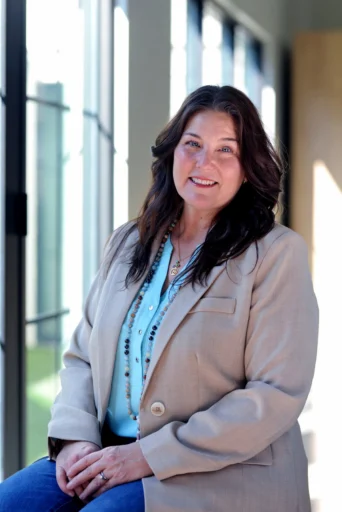
and
Larry Ross
Lead Admissions & Case Manager