
June is recognized as a time to celebrate and uplift marginalized communities, including the LGBTQIA+ community. It is also Men’s Health Month, which provides an opportunity to broaden conversations around what it really means to support men’s well-being.
One area that remains deeply overlooked in discussions of men’s health is eating disorders.
The False Divide Between “Health” and Recovery
For many individuals struggling with disordered eating, there is a deeply ingrained belief that pursuing “health” and pursuing recovery are at odds with one another. Society often equates health with discipline, control, and physical performance. And on the surface, disordered behaviors can appear to fit that mold. Intense routines are praised as discipline. Fixation on body composition or weight goals is framed as “fitness.” Emotional suppression is labeled “strength.” Diets are watched, calories are counted, macros are weighed.
But this dichotomy is false.
Mental health isn’t separate from physical health but rather is foundational to it. When we overlook the psychological aspects of eating behaviors, our relationship with food, and how we see our bodies, the pursuit of a very narrow view of “health” can become harmful rather than supportive. Restriction, compulsive exercise, rigid food rules, and body dissatisfaction are often framed as dedication, wellness, or self-improvement. Yet, they often undermine true well-being. Health is far more than just watching what we eat, but an overall sense of wellness and positive quality of life that centers emotional resilience, flexibility, and psychological well-being at its core.
Breaking the Stereotype: Eating Disorders Aren’t Just a “Women’s Issue”
Despite increasing awareness, the stereotype that eating disorders primarily affect women continues to persist. This misconception is not only outdated, but dangerous.
For decades, eating disorders have been framed through a narrow cultural lens that centers thinness, beauty standards, and femininity, positioning eating disorders as something that “belong” to women. In doing so, it erases the experiences of anyone who doesn’t fit that narrative, including men, boys, and nonbinary individuals.
In reality, men represent a substantial portion of those affected. Approximately one in three individuals with an eating disorder is male, and millions of men will experience one in their lifetime. Yet, the American Psychological Association notes that men and boys are less likely to be identified, diagnosed, or treated due to cultural bias and under-recognition. Screening tools and public conversations that focus on narrow presentations skip over these individuals entirely.
When men do not see themselves reflected in conversations about eating disorders, it becomes easier for them to dismiss their own struggles, minimize their symptoms, or feel that what they are experiencing “doesn’t count.” This matters because delayed recognition often leads to delayed care. Behaviors that may signal an eating disorder can be misinterpreted, praised as discipline or dedication, or criticized as a lack of self-control. The result is the same: The individual is left in isolation, pushed deeper into the disorder.
When Harm Is Disguised as Discipline
One of the most significant barriers to identifying eating disorders in men is how easily symptoms can be misinterpreted.
Restrictive eating, obsessive tracking, compulsive exercise, and extreme body goals are often normalized under the guise of “fitness,” “discipline,” or “grind culture.” In certain environments, particularly athletic spaces or the gym, these behaviors may not only go unnoticed but also be actively reinforced.
Importantly, eating disorders in men are not solely about fitness, muscularity, or appearance. While some men may pursue leanness or muscle-building ideals, others struggle with restriction, bingeing, avoidance, rigidity, or food-related anxiety that has little to do with performance or aesthetics. They experience the full spectrum of eating disorders. And just like any other eating disorder, it is often not about appearance at all, even for those who are pursuing a particular body. Psychological factors such as perfectionism, anxiety, low self-worth, a desire to belong, or a need for control often drive the disorder far more than any aesthetic goal.
At the same time, many men are raised in environments that discourage emotional expression. Pushing through discomfort, ignoring internal cues, and avoiding vulnerability are often framed as strengths. This can lead to seeking out other ways to cope with or avoid emotional need, including bingeing and purging behaviors.
This combination creates the perfect conditions for disordered eating to thrive unnoticed.
The signs may be there:
- Preoccupation with food, routines, or body
- Distress when routines change
- Avoiding social plans
- Compulsive, rigid, or compensatory exercise patterns
- Guilt or shame tied to eating or rest
- Exercising despite pain, injury, or exhaustion
- Linking self-worth to appearance, strength, or performance
- Increasing secrecy around food and habits
- Mood changes, anxiety, or low motivation
- Shame after eating episodes
No single sign confirms an eating disorder, and presentations vary widely. What matters is how someone’s relationship with food is impacting their quality of life and well-being.
The Silence Around Men’s Struggles and Who Gets Left Out
Even when symptoms are present, men are significantly less likely to seek help. Stigma, lack of awareness, and cultural expectations all contribute. Studies have found that many men with eating disorders never receive treatment, despite clear need.
Many men don’t recognize their behaviors as disordered because they don’t align with the stereotypes they’ve seen. Others may feel that admitting struggle is a sign of weakness, or that they should be able to “handle it” on their own.
This silence is not experienced equally.
Research shows that LGBTQIA+ individuals experience higher rates of eating disorders and related symptoms than their heterosexual and cisgender peers. These disparities are driven not by identity itself, but by lived experiences such as stigma, discrimination, rejection, and chronic stress.
For some men, body image concerns may also be shaped by pressures within specific communities around appearance, leanness, or muscularity. In these contexts, disordered eating behaviors may become intertwined with identity, belonging, or safety.
While experiencing increased risk for the development of an eating disorder, LGBTQIA+ men may also face additional barriers to care, including a lack of affirming providers or fear of judgment, which can delay or prevent treatment.
Without acknowledging these overlapping experiences, we risk continuing to overlook those who are already more vulnerable and less likely to be seen.
Expanding the Definition of Support
If we want to truly honor Men’s Health Month, we must expand our understanding of what men’s health includes.
This means:
- Challenging stereotypes about who develops eating disorders
- Recognizing that “healthy-looking” behaviors can still be harmful
- Moving beyond the assumption that eating disorders in men are only about fitness or physique
- Creating spaces where men feel safe expressing emotional distress
- Increasing representation of men in eating disorder education and treatment
- Encouraging a more integrated view of health that values both physical and mental well-being.
Most importantly, it means helping men understand that their struggles are valid and that they deserve support.
If you are worried about a loved one, the conversation can begin simply:
- “I’ve noticed you seem more anxious lately. I care about you.”
- “You don’t have to handle this alone.”
- “Would you be open to talking with someone who understands eating disorders?”
- “I’m here with you, not here to judge you.”
Try to avoid comments about body size, appearance, or performance. Focus on mood, energy, connection, safety, and quality of life. Compassion is far more effective than criticism.
A Final Thought
Eating disorders do not discriminate by gender, yet our awareness and conversations often do. By broadening the lens through which we view eating disorders, we can make space for those who have been overlooked. We can begin to dismantle the harmful narratives that keep those suffering in silence. And we can move closer to a more inclusive, compassionate understanding of health.
Because pursuing mental health isn’t the opposite of health. It is the foundation of it.
Eating Disorder Treatment at NewCircle
NewCircle provides eating disorder treatment for adolescents and adults of all genders. Care is designed to be individualized, holistic, and affirming, with support for eating disorders and co-occurring mental health concerns. NewCircle offers Residential Treatment, Partial Hospitalization Program, and Intensive Outpatient Program care, with adult and adolescent tracks across levels of care.
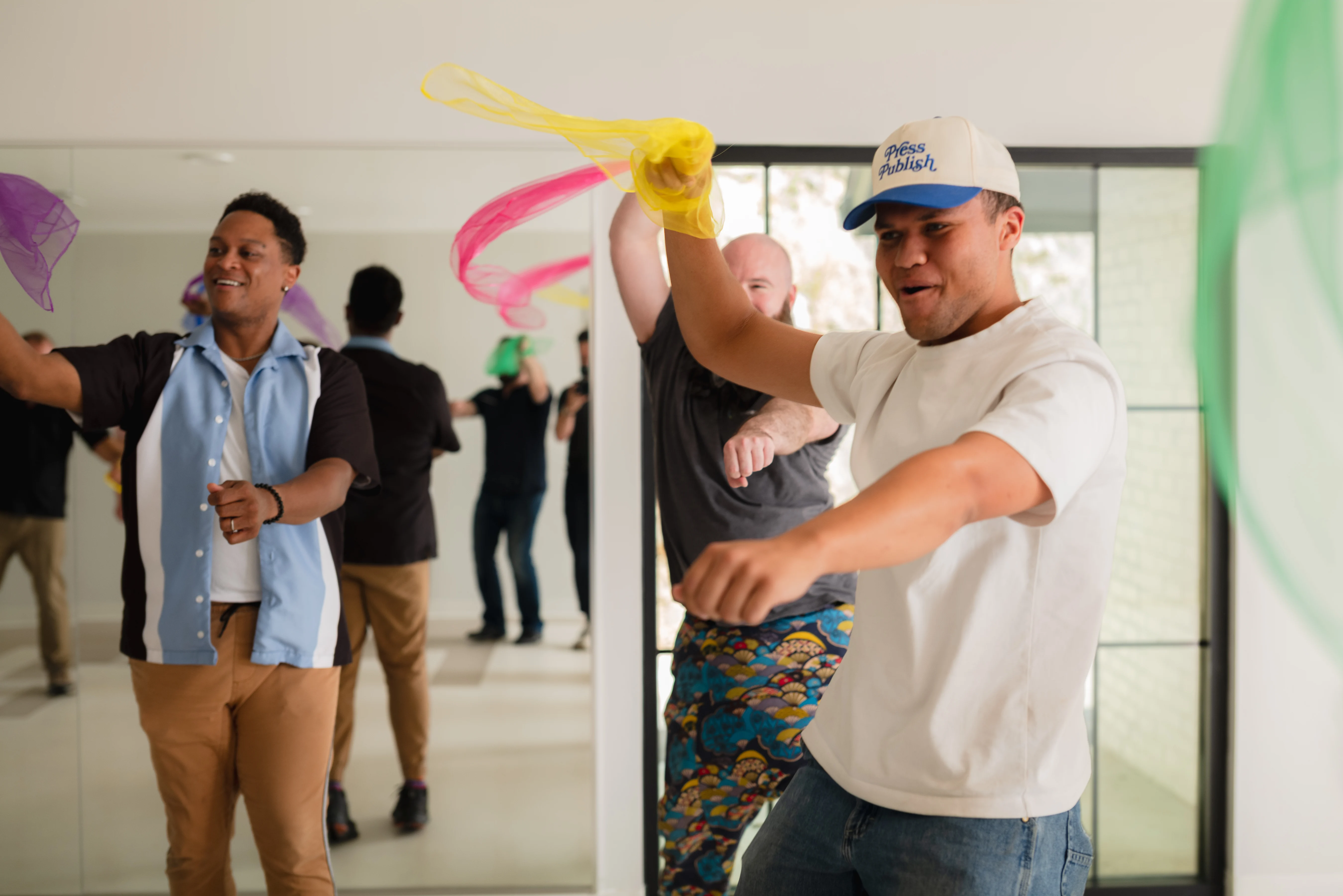
For those who have felt overlooked, treatment can offer a place to slow down and be understood. Support may include therapy, structured care, movement-based groups, art therapy, discharge planning, alumni support, and a compassionate environment built around whole-person healing.
Care Begins with Being Seen
Eating disorders in men are often missed because they hide behind stereotypes, achievement, silence, stigma, and praise. But being overlooked does not mean your experience is less real.
You do not have to fit a stereotype to deserve help. You do not have to wait until life feels unmanageable. NewCircle offers affirming care that sees the whole person.
Reach out to NewCircle to learn what support could look like for you or someone you love.
Sources:
- American Psychological Association. (2024). Unrecognized eating disorders in boys and young men. American Psychological Association. https://www.apa.org/monitor/2024/10/eating-disorders-boys-men
- American Psychological Association. (2024). Boys and men make up one third of all people with eating disorders. American Psychological Association. https://www.apa.org/topics/eating-disorders/boys-men
- Ross Sonenblick, et al. (2026). How to promote therapy-seeking for men with binge-spectrum eating disorders: a qualitative study. Journal of Eating Disorders. https://link.springer.com/article/10.1186/s40337-026-01571-4
- The Trevor Project. (2022). Research Brief: Eating Disorders among LGBTQ Youth. https://www.thetrevorproject.org/research-briefs/eating-disorders-among-lgbtq-youth-feb-2022/